Blenheim Resources Home

Category

Mining & Critical Minerals

21 articles

The Unfired Asset: Underwriting UK Brick Clay Against Housing Need

The Unfired Asset: Underwriting UK Brick Clay Against Housing Need

Britain's brick clay reserves rarely appear in boardroom diligence, yet they underpin housing supply, carry long-lived planning consents and leave restoration liabilities that outlast the kiln. This article sets out a practical framework for valuing brick-earth assets as housing policy and kiln energy costs pull in different directions.

The Spent Lot Premium: A Boardroom Framework for UK Catalyst Recovery

Britain’s chemical and refining base produces a steady stream of spent catalysts carrying platinum, palladium and cobalt, yet the recovery chain is often managed as waste logistics rather than a strategic feedstock. This article sets out the capacity, assay, permitting and chain-of-custody tests that should precede any 2026 investment in UK catalyst recovery.

The Recorded Tremor: Vibration Evidence as a Balance-Sheet Item for UK Quarries

The Recorded Tremor: Vibration Evidence as a Balance-Sheet Item for UK Quarries

Blast-vibration files are often treated as a technical annex to planning consent. In practice, they are an underwriting record that shapes insurance appetite, community risk and the long-run cost of a UK hard-rock quarry. This article sets out what the monitoring data reveals and how operators and investors should diligence it.

The White Chokepoint: Diligencing UK Quicklime Capacity Beyond the Kiln Gate

The White Chokepoint: Diligencing UK Quicklime Capacity Beyond the Kiln Gate

Quicklime is a modest-volume input with disproportionate influence over UK water treatment, steelmaking and construction supply chains. As of late 2026, investors and buyers need to diligence limestone quality, kiln condition, carbon exposure and permitting together rather than treating lime as a generic commodity.

The Clearest Sand: Underwriting UK Silica Supply Before the Solar-Glass Story

The Clearest Sand: Underwriting UK Silica Supply Before the Solar-Glass Story

Government rhetoric on domestic solar manufacturing has outpaced the unglamorous question of where low-iron glass would actually come from. This analysis maps Britain's credible silica-sand deposits against solar-glass specifications and sets out the diligence sequence investors should run before underwriting the furnace. In this supply chain, the sand is the first thing to test and the last thing to be priced.

The Quay Behind the Quarry: Diligencing Port Capacity in UK Mineral Supply

The Quay Behind the Quarry: Diligencing Port Capacity in UK Mineral Supply

UK mineral investors routinely audit reserves, permits and offtake, yet often treat wharf access as a logistic afterthought. As imports of cement, aggregates and processed critical minerals grow more strategic, berth availability, storage, dredging rights and landside links deserve the same scrutiny as the resource itself.

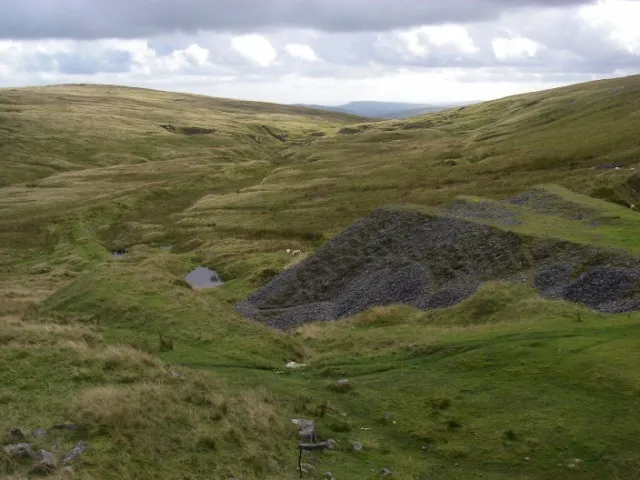
Heaps With History: A Diligence Scorecard for Britain’s Legacy Smelter Sites

Heaps With History: A Diligence Scorecard for Britain’s Legacy Smelter Sites

Britain’s old smelters and refineries left slag, tailings and dusts that may contain recoverable zinc, lead, tin and other metals. This scorecard sets out the commercial, legal and environmental tests that determine whether a brownfield recovery project can reach market faster than a greenfield mine.

Brine, Heat and the Bankability Test: UK Geothermal Lithium in 2026

Brine, Heat and the Bankability Test: UK Geothermal Lithium in 2026

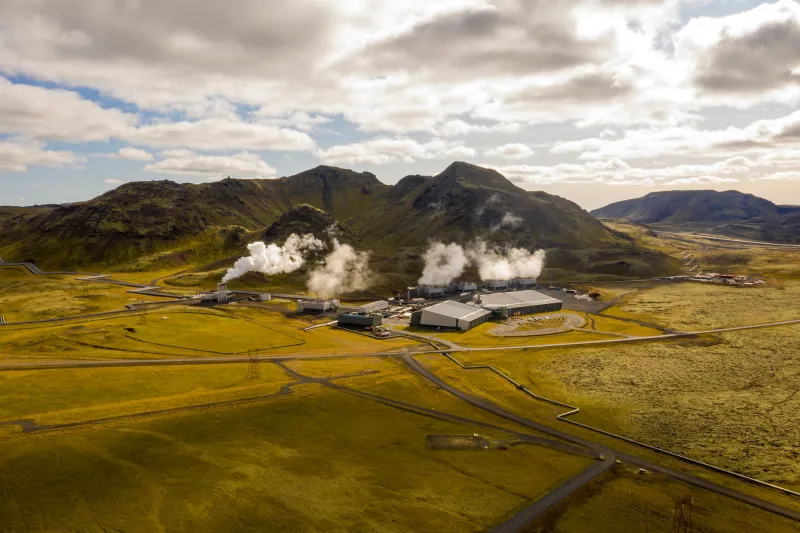
UK geothermal lithium is often framed as a two-revenue opportunity: heat for networks and lithium for batteries. The harder question for 2026 is whether any project can clear the sequence of subsurface, process, permitting and offtake tests that lenders and buyers will demand before capital is committed.

Plaster Without the Plume: Britain's Gypsum Reckoning After Coal

Plaster Without the Plume: Britain's Gypsum Reckoning After Coal

Flue-gas desulphurisation gypsum gave UK plasterboard makers a high-purity feedstock delivered by conveyor rather than quarry blast. As coal generation retires, the supply chain faces a quieter but no less consequential gap. This analysis sets out where the replacement tonnage may come from, why planning rather than geology sets the pace, and what investors should underwrite before backing new UK gypsum capacity.

Freight Paths and Freeholds: Rethinking Quarry Value Through the Rail Envelope

Freight Paths and Freeholds: Rethinking Quarry Value Through the Rail Envelope

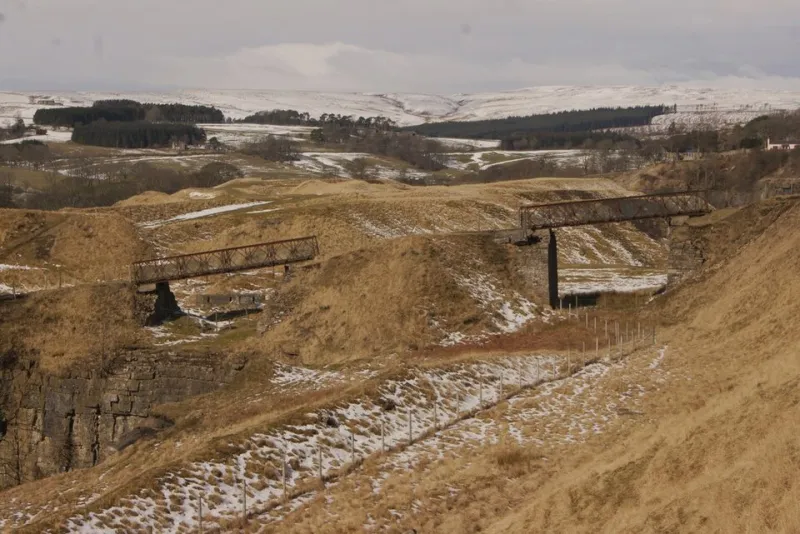
For UK quarry operators, rail access is becoming less a logistics convenience than a determinant of market reach and valuation. This article sets out how siding capacity, path availability and last-mile economics should be tested in diligence, and why a reserve statement alone can misprice a site.

Beneath the Freehold: Why Mineral Title Sets the Ceiling on UK Site Value

Beneath the Freehold: Why Mineral Title Sets the Ceiling on UK Site Value

Owning the field is not the same as owning what lies under it. Severed mineral estates, manorial reservations, Crown rights and statutory vesting can leave a buyer with an attractive site and no resource at all. This primer sets out the diligence sequence boards should run before a price is agreed.

From Spoil Heap to Specification: Certifying UK Quarry Overburden as a Saleable Aggregate

From Spoil Heap to Specification: Certifying UK Quarry Overburden as a Saleable Aggregate

UK quarry overburden is often managed as a disposal liability, yet selected waste rock can become a certified construction aggregate if the material, the permit and the specification all hold together. This article sets out a practical 2026 route from stockpile assessment to customer acceptance, and the margin tests operators should apply before committing capital.

The Guarantee Is the Risk: Restoration Security in a Harder UK Quarry Market

The Guarantee Is the Risk: Restoration Security in a Harder UK Quarry Market

Balance-sheet stress among UK quarry operators is turning restoration guarantees from a planning formality into a live cost of capital. Boards should treat bond sizing, insolvency risk and local authority capacity as one integrated test before signing a new aggregates or industrial-minerals consent.

Habitat Credits and Hard Rock: The New Diligence Map for UK Quarries

Habitat Credits and Hard Rock: The New Diligence Map for UK Quarries

Biodiversity net gain has moved from planning condition to balance-sheet item for UK aggregate operators. This article maps the credit pricing, covenant and permissioning questions that separate a durable restoration revenue stream from a green line in the annual report.

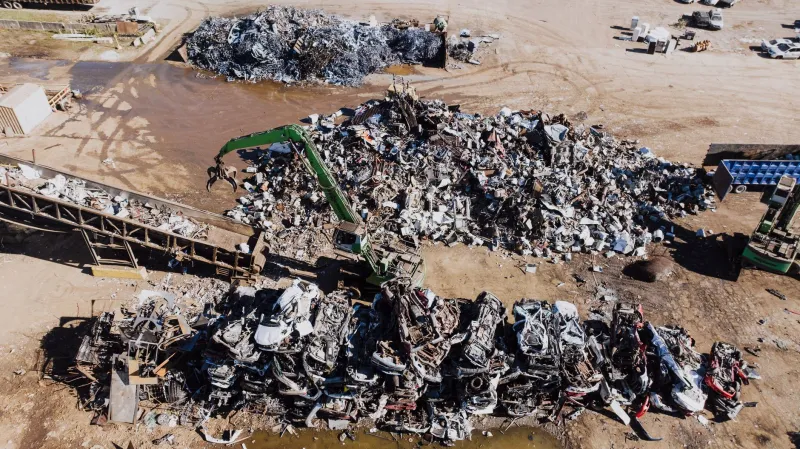
Ash to Assets: The Quiet Race to Mine Britain's Waste-to-Energy Residue

Ash to Assets: The Quiet Race to Mine Britain's Waste-to-Energy Residue

Bottom ash from UK energy-from-waste plants is no longer just an aggregate feedstock — it is an above-ground mineral deposit whose grade is set by combustion and whose value is set by permits. We examine the recovery economics for aluminium, copper and zinc, the offtake specifications that decide viability, and why waste operators and junior miners are now chasing the same tonne.

Spreading the Load: The Commercial Logic of Rock Dust on UK Quarry Land

Spreading the Load: The Commercial Logic of Rock Dust on UK Quarry Land

Enhanced weathering has left the greenhouse and entered the quarry gate, with aggregate producers and carbon-removal buyers testing silicate rock dust on British land. The science is promising, the unit economics are fragile and the UK rulebook is largely absent — which makes due diligence the decisive variable.